


“Authenticity is the new marketing, and vulnerability is the new currency.”
Marketing isn’t just about selling stuff; it’s a fascinating mix of psychology and how we behave as consumers, all about understanding what makes us tick. Marketers dive into exploring our emotions, motivations, and desires reveal how these elements influence our choices. By understanding these psychological aspects, marketers can create messages that genuinely resonate with people on a personal level, addressing our deeper needs and wants.
This insight enables them to design campaigns that are not only persuasive but also emotionally engaging, igniting feelings of need or urgency that can lead to impulsive purchases. These campaigns are thoughtfully crafted to elicit specific psychological responses, such as the fear of missing out or the desire to conform, which can motivate us to buy things we may not have considered otherwise. With this strategic approach, marketing transforms into a powerful tool that can shape our behavior as consumers and significantly impact our purchasing habits.
Understanding these psychological triggers can really help you spot when you’re being influenced, making it easier to make smarter choices. By getting a handle on the subtle hints and strategies marketers use, you can become savvier about the messages you see every day. This awareness lets you take a closer look at ads, helping you tell the difference between what you truly need and what’s just a cleverly crafted desire.
As a result, you can build a healthier relationship with ads and consumer culture, making it less likely you’ll fall for sneaky marketing tricks. This informed perspective not only gives you a sense of control over your buying decisions but also encourages a more thoughtful approach to shopping, where you focus on what really matters to you instead of chasing after every new trend. By developing this kind of awareness, you can navigate the world of modern marketing with more confidence and clarity, leading to more fulfilling and meaningful shopping experiences.

How Social Media Affects How We See Ourselves
Social media platforms have significantly changed how we connect with one another and perceive ourselves. These online spaces make it easy to chat with friends, family, and even meet new people from around the globe. However, while there are many positive aspects to social media, it can also be a place where we frequently compare ourselves to others. People often showcase the best parts of their lives, highlighting their most polished moments.
This can create an impression that things are too perfect, and when we view these posts, we may begin to feel as if we are not doing as well. Constantly seeing these picture-perfect lives can lead us to believe that we need to keep up, potentially resulting in feelings of envy, self-doubt, and dissatisfaction with our own lives. It’s crucial to remember that social media brings both advantages and disadvantages, providing incredible connections while sometimes leading to feelings of inadequacy.
Constantly comparing ourselves to others on social media can really take a toll on our self-esteem, stirring up feelings like envy, inadequacy, and even sadness. When we measure our lives against the seemingly perfect ones we see online, it can give us a skewed view of reality. This can make us feel like we’re not quite measuring up in areas like our careers, relationships, or how we look. The pressure to live up to these idealized standards can be overwhelming and tough on our mental health.
That’s why it’s super important to remember that social media is more like a highlight reel than real life. The pictures and stories we see are usually the best bits, leaving out the everyday struggles and imperfections. By keeping this in mind, we can start to look at content more critically, questioning what’s real and what’s just for show.
This awareness helps us accept ourselves, appreciate our own unique journey, and celebrate our achievements without constantly comparing ourselves to others. Embracing this mindset can lead to a healthier self-image and a more balanced view of life, making social media a little less impactful on our self-esteem.

Consumerism and Mental Health: The Pressure to Fit In
In today’s world, consumerism is a big part of our culture, shaping not just what we buy but also how we see success and who we are. It goes beyond just shopping, sneaking into our thoughts about what it means to live a successful and meaningful life. Often, it makes us feel like we need to measure our worth by the stuff we own.
This mindset can make us feel like we have to keep up with the latest trends and get the newest things to fit in. The media and advertising play a big part in this, constantly showing us images and messages that link having lots of stuff with being happy and successful. This pressure can be tough on our mental health, leading to stress, anxiety, and feelings of not being good enough. Always comparing ourselves to others and worrying about falling behind can make us feel like we’re never satisfied with what we have.
It can create a cycle where we’re always chasing more, thinking happiness is just one purchase away. But by recognizing how this consumer-driven culture affects us, we can start to break free and find a more balanced and fulfilling way to live. By understanding the tricks used in marketing and the pressure to fit in, we can focus on what really matters to us and redefine what success and happiness mean, without relying on material things.
This cycle of buying stuff not only hits our wallets but can also weigh heavily our mental health, leaving us feeling constantly unsatisfied. As we try to keep up with what society expects and the latest trends, we might find ourselves stuck in a loop of always wanting more, which can lead to stress, anxiety, and feeling less confident. It’s certainly important to notice how consumerism affects our minds and emotions.
By becoming aware of these influences, we can start to focus on what truly matters to us, like meaningful experiences and nurturing relationships, instead of just collecting more things. This shift in thinking can lead to a more balanced and fulfilling life, where happiness comes from real connections and personal growth, rather than the temporary thrill of a new purchase. Embracing this mindset helps us understand what truly matters, bringing a sense of contentment and well-being that doesn’t rely on outside approval or material wealth.

How Ads Shape Our Idea of Happiness
Advertising has a big influence on how we think about happiness and fulfillment, often shaping our desires in ways we might not even notice. With clever messages and eye-catching images, ads often hint that buying something will make us happy, successful, or more accepted by others, tapping into our natural wish to belong and achieve. This idea, constantly reinforced by marketing, can lead us on a never-ending shopping spree, where true happiness always seems just out of reach.
As we see these perfect lifestyles and promises of quick joy, we might start thinking that the next thing we buy will finally make us happy. But usually, this only brings short-lived joy instead of real satisfaction, because ads often suggest that happiness is just one more purchase away. This can leave us feeling a bit empty and disconnected from what really matters, as we keep chasing a happiness that buying things alone can’t provide.
Understanding how marketing works can really help you figure out what you truly want versus what ads are trying to make you want. By getting a good grasp on how these strategies play with our thoughts and feelings, you can start to see the difference between your real needs and those cleverly crafted desires. This kind of awareness is super important because ads are everywhere, always nudging us in different directions.
When you spot these influences, you can make smarter choices, picking things that actually add value to your life instead of just chasing after the latest shiny thing. This understanding is key to finding genuine happiness, which comes from sticking to your personal values and feeling good about yourself, rather than relying on what others think or piling up stuff. By focusing on what really matters, you can enjoy a more balanced and meaningful life, staying steady even as consumer trends come and go.
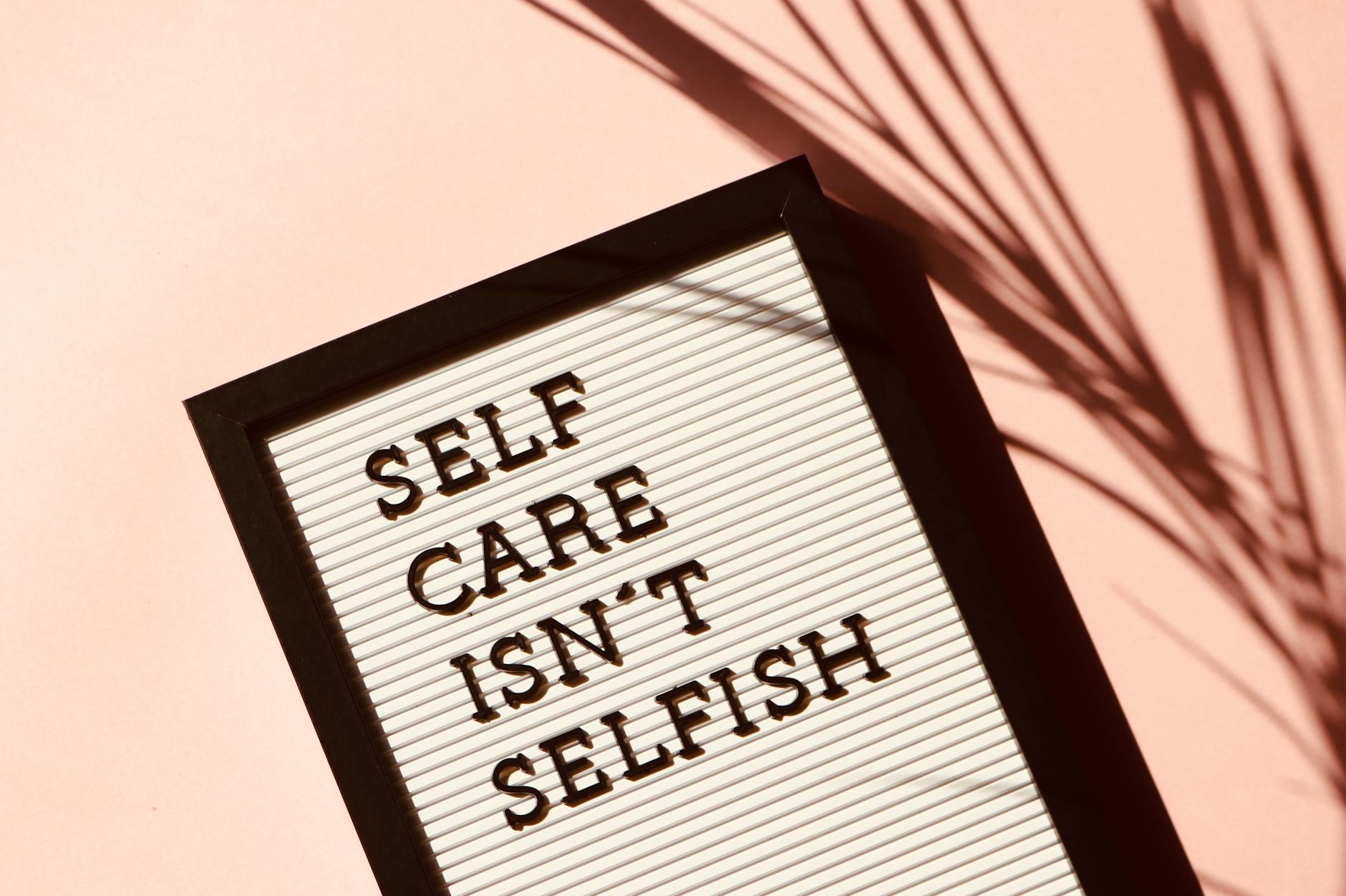
Taking Care of Your Mental Health in a Marketing-Driven World
To navigate the marketing-driven world with a bit more ease, you can try out some friendly strategies to keep a healthier relationship with consumer culture. First off, setting some boundaries around your social media use can really help. It’s all about reducing those feelings of not measuring up that can pop up when we see those picture-perfect posts. You might want to set specific times for checking social media, unfollow accounts that bring you down, or even take a break now and then to reconnect with the real world.
Plus, cutting down on ads by using ad blockers or practicing mindful consumption can make a big difference in how much marketing affects you. By choosing when and how you engage with media, you can be more intentional and less reactive. This could mean subscribing to ad-free services, supporting your favorite content creators directly, or just being pickier about what you watch or read. These little changes can help you interact with the marketing world in a more balanced way, letting you focus on what truly matters to you without getting caught up in all the external noise.
Also, taking a moment to practice gratitude and focus on what truly matters to you can really help shift your mindset from being all about buying stuff to living a more content and fulfilling life. By appreciating what you already have and cherishing the non-material joys like friendships, personal achievements, and memorable experiences, you can find satisfaction that doesn’t depend on getting more things.
This way of thinking encourages you to look inside and figure out what’s really important, instead of getting caught up in what society or ads say you should want. By putting your mental health and well-being first, rather than feeling pressured to match the ideals in ads, you can build a more positive self-image and a healthier relationship with consumer culture. This approach helps you break free from the endless cycle of comparing yourself to others and always wanting more, leading to a sense of peace and happiness that comes from being true to yourself. In the end, you can enjoy a more balanced and meaningful life, where happiness comes from real connections and personal growth, not just from buying more stuff.
Wrapping It Up
In a nutshell, getting a good grasp on the ins and outs of marketing and consumer culture is super important for businesses looking to do well in today’s busy world. By keeping an eye on how consumer preferences and behaviors are changing, marketers can come up with strategies that really click with their audience and build lasting brand loyalty. As consumer culture keeps evolving with new tech and societal shifts, staying in the loop and being flexible will help businesses stay relevant and successful. In the end, being able to genuinely connect with consumers will shape the future of marketing in this ever-changing scene.
Want to stay ahead in the world of marketing? Subscribe to our blog for more insights, and don’t forget to share your thoughts in the comments! If you enjoyed what you read today, please be sure to like, share, and/or comment below.
Along with that, if you’d ever like to collaborate with me on a future blog post as a guest writer, don’t hesitate to reach out to me directly.
 Psyched About Marketing
Leave a comment