


“Your brand is what people say about you when you’re not in the room”
In recent years, there’s been a noticeable shift in how people shop, with more and more folks looking for authenticity in the brands they choose. As we all become more aware of how our buying choices affect the world, today’s consumers are smarter and more selective than ever. With so much information right at our fingertips, we can easily check out and judge brands with a keen eye.
People are on the lookout for brands that not only deliver great products or services but also align with their personal values, like sustainability, ethical practices, and social responsibility. This craving for authenticity comes from a desire for real relationships and meaningful connections, especially in a digital age where things can often feel a bit superficial. As we navigate a world full of perfectly curated images and slick marketing, we long for brands that are open and honest, giving us a sense of trust and reliability in a world that can sometimes feel a bit impersonal and detached.
As more and more of us turn to online reviews and social media to help us decide what to buy, we’ve gotten pretty good at spotting when brands aren’t being genuine. We’re not easily fooled by flashy ads or shallow marketing tricks anymore. Instead, we’re on the lookout for brands that offer real interactions and honest stories.
If a brand isn’t upfront and transparent, it might end up losing our trust and loyalty. People are now choosing not to hold back and it makes a significant difference. But when brands are open about who they are, sharing their values, stories, and even their little quirks, they can really connect with us on a deeper level. By creating a space of trust and openness, these brands can build strong, lasting relationships with us, and we’re more likely to stick around and support them in the long run.
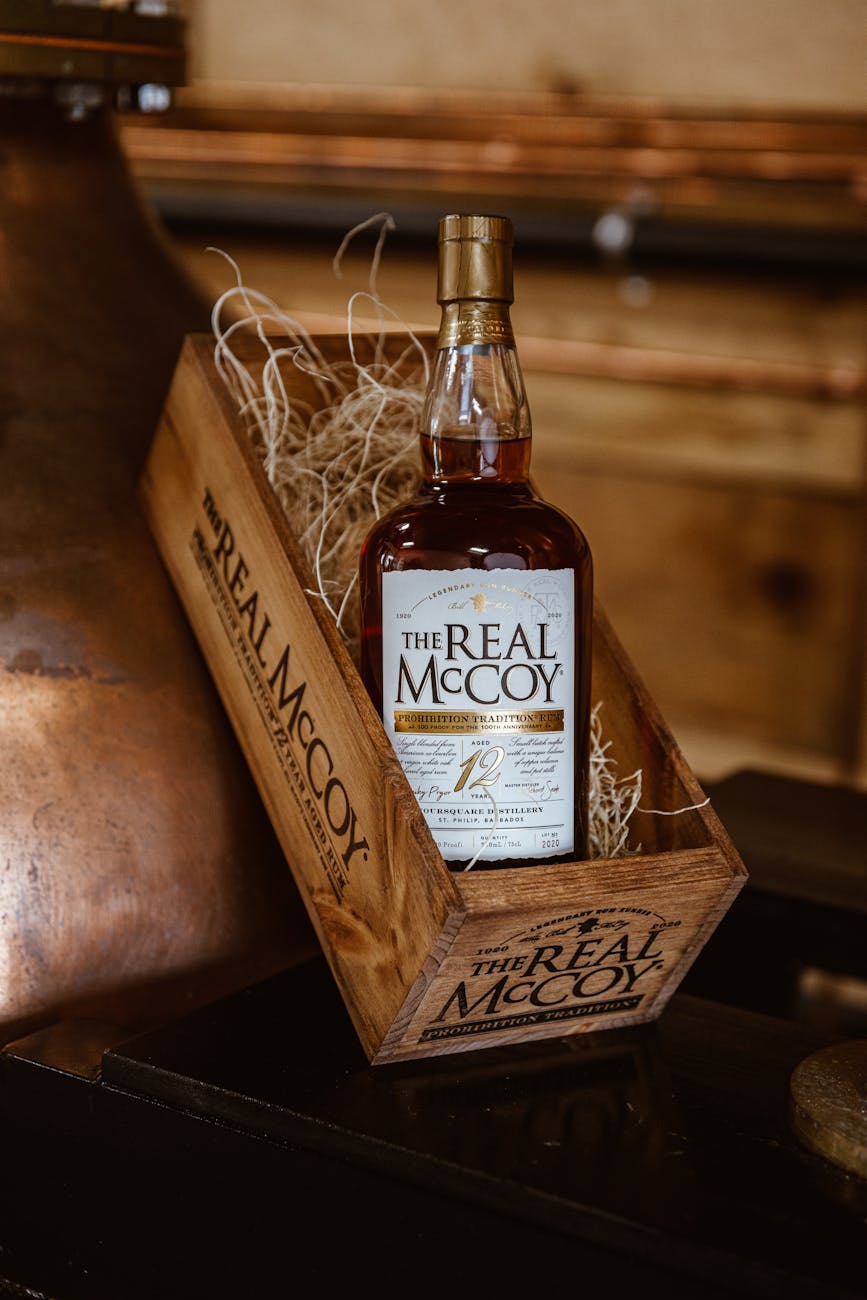
Putting Authentic Marketing into Action
Authentic marketing is all about keeping it real and being open every step of the way. It’s not just about highlighting a brand’s successes, but also being honest about the hiccups and lessons learned along the journey. This approach lets brands share a more genuine story of their path. It helps people see the brand’s human side, making it feel more relatable and approachable.
When brands are upfront with their flaws and the challenges they’ve faced, they tell a story that really resonates with folks who value authenticity and sincerity. This kind of storytelling builds a strong connection and trust, as people love a brand that mirrors the ups and downs of their own lives. By being this open, brands can create deeper, more meaningful relationships with their audience, which leads to more loyalty and support in the long run.
In addition, authentic marketing often involves user-generated content (or UGC), where customers are invited to share their real experiences, stories, and interactions with a brand. This approach not only gives customers a chance to express their opinions and highlight their personal journeys with the brand but also encourages lively community engagement. By welcoming customers to share their stories, brands create a space where people feel appreciated and listened to, fostering a sense of shared ownership and belonging.
This teamwork vibe strengthens the bond between the brand and its customers, turning them from passive receivers into active participants in the brand’s story. As a result, the brand becomes more than just a provider of products or services; it grows into a community where consumers feel connected and invested, boosting loyalty and long-term support.

Being Open Builds Trust
Being open and honest is at the heart of authentic marketing, and it’s what really helps build a strong bond between brands and their customers. When brands share their processes, values, and even their little hiccups, they lay the groundwork for trust with their audience. This kind of openness lets people peek behind the curtain to see how things are made, the ethical standards in place, and the bumps along the road. By talking about both the wins and the stumbles, brands show a level of honesty and vulnerability that really clicks with folks.
In today’s world, where information is just a click away, people are more thoughtful about their choices and tend to support brands that are upfront about what they do. This transparency not only builds trust but also creates a genuine connection, making consumers feel more confident and empowered in their buying decisions. So, when brands embrace being open, they often see a boost in loyalty and long-term support from their fans.
Moreover, transparency can manifest in a variety of ways, such as clear communication about sourcing, pricing, and business practices. For instance, brands can provide detailed information about where their raw materials are sourced, ensuring that consumers are aware of the ethical and environmental standards being upheld. This might include sharing stories about the farmers or workers involved in the production process, highlighting fair trade practices, or showcasing efforts to reduce carbon footprints.
When it comes to pricing, transparency can involve breaking down the costs associated with production, distribution, and marketing, allowing consumers to understand exactly what they are paying for and why. Additionally, being open about business practices means that companies can share their internal policies, such as labor practices, diversity and inclusion efforts, and corporate social responsibility initiatives.
This level of openness invites consumers to feel empowered in their purchasing decisions, as they are equipped with the knowledge needed to make informed choices that align with their personal values. By fostering this sense of empowerment, brands can build stronger loyalty and cultivate long-term relationships with their customers, who appreciate the honesty and integrity demonstrated by the company.
Brands Thriving on Authenticity
Several brands have successfully implemented authentic marketing strategies and have seen significant gains in customer loyalty, establishing themselves as leaders in their respective industries. For example, Patagonia is renowned for its unwavering commitment to environmental sustainability and transparency, setting a benchmark for other companies to follow. Their campaigns not only promote their high-quality outdoor products but also advocate for responsible consumerism, urging customers to consider the environmental impact of their purchases.
Patagonia’s dedication to these principles is evident in their initiatives, such as the “Worn Wear” program, which encourages customers to repair and reuse their gear instead of buying new, and their pledge to donate a portion of their profits to environmental causes. This holistic approach resonates deeply with their target audience, who are not just looking for durable and reliable products but also want to support a brand that aligns with their own values of sustainability and ethical responsibility. By consistently demonstrating their commitment to these ideals, Patagonia has cultivated a loyal customer base that appreciates the brand’s authenticity and integrity, resulting in a strong emotional connection and lasting loyalty.

Another example is Dove, which has meticulously crafted its brand identity around the concepts of real beauty and self-acceptance, challenging conventional beauty standards and promoting a more inclusive and diverse representation of beauty. By deliberately choosing to feature real women of various ages, sizes, ethnicities, and backgrounds in their advertising campaigns, rather than relying on traditional models who often embody a narrow and unrealistic standard of beauty, Dove has made a powerful statement that resonates with a wide audience.
This approach not only celebrates the unique beauty of every individual but also empowers women to embrace their natural selves, fostering a sense of confidence and self-worth. As a result, Dove has successfully cultivated a strong emotional connection with consumers, who feel seen and valued by the brand. This deep connection has translated into lasting loyalty, as customers are drawn to Dove’s authentic message and commitment to promoting positive self-image, making them more likely to support the brand over the long term.
Starting Authentic Marketing Strategies
To get started with authentic marketing in your business, it’s all about really nailing down your brand’s core values. Think of these as the heart and soul of your identity, guiding every choice you make. These values shouldn’t just be fancy words on a page; they need to be woven into the fabric of your company culture and shine through in every part of your marketing strategy. Whether it’s how you chat with your customers or the products and services you offer, everything should reflect these core principles.
Consistency is super important here; your messages should match up with your actions and customer experiences, and be clear in your branding, advertising, and even in how your team interacts with customers. This way, your audience will see your brand as genuine and trustworthy, helping to build a stronger connection. By keeping things consistent, you create a smooth and authentic experience for your customers, which helps to strengthen their trust and loyalty over time.
Connect with your audience by sharing stories that highlight real experiences, whether they come from your business journey or your customers. This means talking about the ups and downs, the challenges and victories, and those special moments that have shaped who you are as a brand. By weaving these stories into your marketing, you create a genuine connection that really clicks with people on a personal level.
Invite your customers to join in by sharing their own stories, experiences, and interactions with your brand. This not only gives them a chance to express their thoughts and showcase their personal journeys but also helps build a lively community where everyone feels appreciated and heard. By encouraging this kind of community interaction, you create a sense of belonging and loyalty, turning your audience from passive consumers into active participants in your brand’s story.
And remember, always be open to feedback and ready to adapt, because the best brands are those that listen and grow with their audience. This means not just welcoming constructive criticism but also looking for ways to improve and evolve. By showing that you’re committed to listening and adapting, you let your audience know that their voices matter, which strengthens the trust and connection between your brand and its supporters.
Wrapping It Up
To wrap things up, storytelling is like magic for building a strong bond with your audience. By sharing genuine stories and inviting your customers to share theirs, you weave a beautiful tapestry of authenticity that truly resonates. This approach creates a warm sense of community and belonging while also boosting loyalty and encouraging everyone to participate.
Remember, the best brands are those that listen, adapt, and grow alongside their audience. By valuing feedback and demonstrating your openness to change, you strengthen the trust and connection that is essential for long-term success. So, embrace the stories that make your brand unique, and watch them inspire and engage your audience in extraordinary ways.
Want to stay ahead in the world of marketing? Subscribe to our blog for more insights, and don’t forget to share your thoughts in the comments! If you enjoyed what you read today, please be sure to like, share, and/or comment below.
Along with that, if you’d ever like to collaborate with me on a future blog post as a guest writer, don’t hesitate to reach out to me directly.
 Psyched About Marketing
Leave a comment