


“We’re supposed to be bringing out-of-the-box thinking and innovation, and you cannot do that unless you’ve got diversity.” – Ruth Porat
Diversity and inclusion (or DEI) have been a significant topic in the news especially involving companies currently cutting back on their DEI initiatives. What most may not realize is that it may create a ripple in the marketing industry and create challenges for those who decide to cut back on those important initiatives. It is something that needs to be examined further before any major (or “minor”) changes are implemented.
Diversity and inclusion in marketing are significant because they enable brands to connect with a wider and more varied audience. By reflecting the diversity of their customer base within their marketing teams, brands can create messages that resonate deeply with different cultural, ethnic, and social groups. This approach not only broadens the reach of marketing efforts but also ensures that the messages are relevant and meaningful to a diverse range of individuals.
When marketing teams are composed of members who bring a variety of perspectives and experiences, they are better equipped to understand the nuances and preferences of different communities. This understanding allows them to craft campaigns that speak authentically to the unique needs and desires of each group, ultimately fostering a stronger connection between the brand and its audience.
Furthermore, inclusive marketing strategies are super important for keeping things real, which is a big deal in today’s market. People are more aware than ever and can easily spot when a brand’s message isn’t genuine. Because of this, brands need to be sincere in their communications to keep their credibility intact. By embracing diversity and inclusion, companies can show they truly care about representing and valuing every part of their audience. This not only helps build trust but also creates a strong sense of loyalty among customers who feel recognized and appreciated. When people see that a brand genuinely understands and respects their unique identities and experiences, they’re more likely to form a lasting bond with the brand, which leads to more loyal customers and enthusiastic supporters.

Diverse Teams Spark Creative Marketing
Diverse teams are like a colorful patchwork quilt, bringing together a mix of perspectives that can really spark fresh and creative marketing ideas. When people from all sorts of backgrounds team up, they bring along a treasure trove of experiences, cultural insights, and unique viewpoints that can shake up the usual way of thinking.
This mix of ideas encourages everyone to step out of their comfort zones and explore exciting new paths in their creative work. As a result, they come up with unique insights that lead to amazing and imaginative campaigns. These campaigns not only grab the attention of a wider audience but also connect on a deeper level with different consumer groups, boosting the brand’s success and impact.
Additionally, diversity within teams often results in better problem-solving because it brings together a rich tapestry of perspectives and ideas. When team members come from varied backgrounds, they each contribute their unique insights and experiences, which can lead to more comprehensive and creative approaches to tackling challenges. This diversity of thought allows teams to examine problems from multiple angles, considering solutions that might not have been apparent in a more homogenous group.
As a result, the likelihood of developing effective and innovative marketing solutions is significantly increased. Diverse teams are more adept at identifying potential pitfalls and opportunities, enabling them to craft strategies that are not only more inclusive but also more resilient and adaptable to the ever-changing market landscape. This collaborative environment fosters a culture of creativity and innovation, where team members feel empowered to share their ideas and challenge the status quo, ultimately leading to groundbreaking marketing campaigns that resonate with a broad audience.

Success Stories: Brands Celebrating Diversity
Brands like Nike and Dove have done an awesome job of embracing diversity in their marketing campaigns, setting a great example for others in the industry. Take Nike‘s ‘Equality’ campaign, for instance—it was a groundbreaking effort that used powerful images and compelling messages to connect with folks who care about social justice. This campaign featured well-known athletes and public figures who stand up for equality, which really helped spread the word to a wider audience.
By doing this, Nike not only showed its commitment to diversity but also positioned itself as a brand that stands for more than just sportswear. The campaign highlighted the importance of equality and inclusivity, sparking conversations around these important topics and inspiring people to take action. With this approach, Nike was able to really connect with consumers who value social responsibility, strengthening its brand identity and building a loyal customer base that appreciates its dedication to making a positive impact in society.
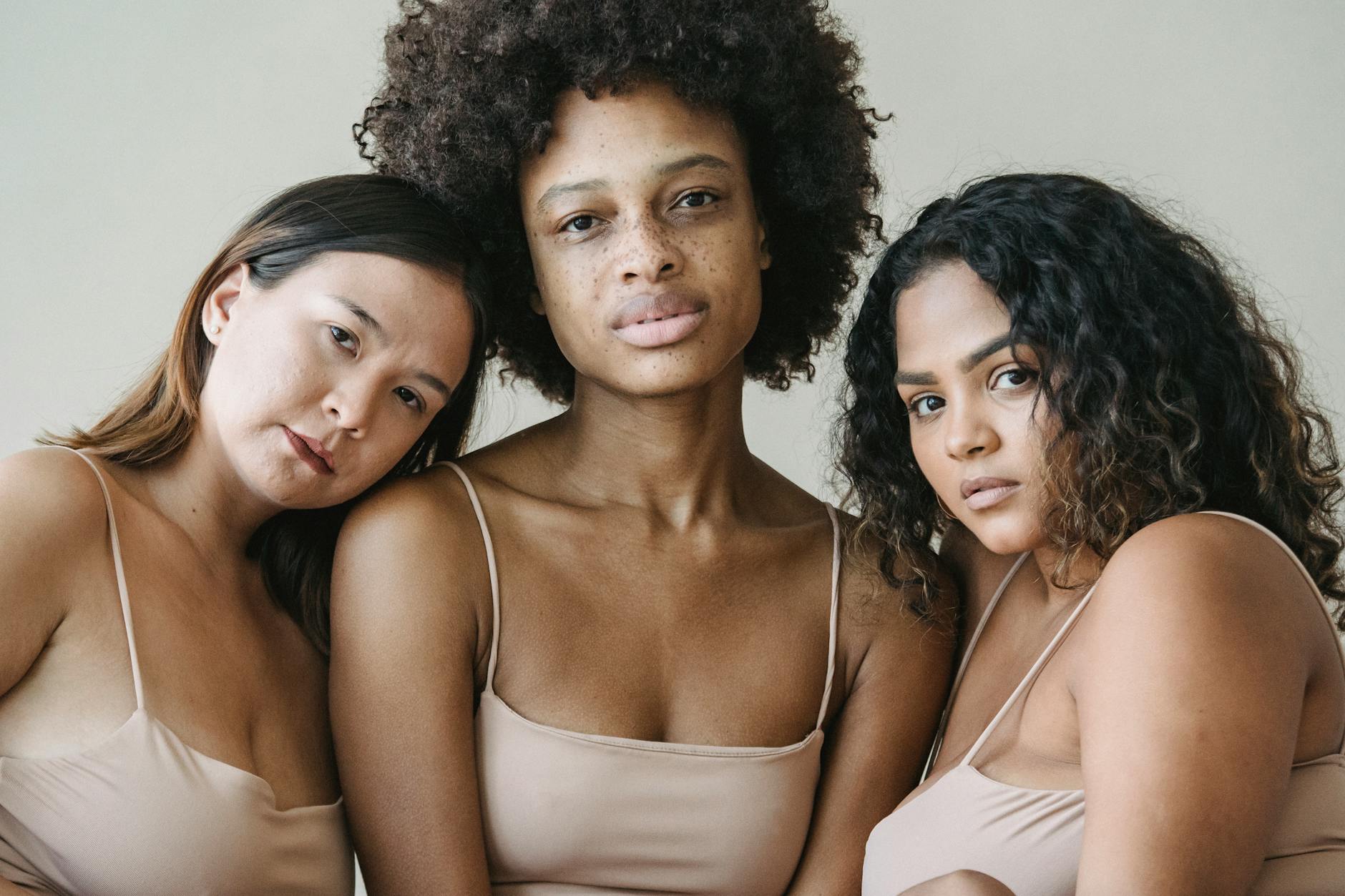
Dove’s ‘Real Beauty’ campaign is another exemplary initiative that celebrates women of all shapes, sizes, ages, and backgrounds, challenging traditional beauty standards and promoting a more inclusive definition of beauty. They went outside of the norms in this campaign. By featuring real women instead of professional models, Dove aimed to empower individuals to embrace their natural beauty and feel confident in their own skin. This approach not only set the brand apart in a crowded market but also fostered a deep emotional connection with its audience.
This campaign made a significant difference in its targeted audience. Consumers felt seen and valued, which resonated on a personal level, which led to an increased amount of brand loyalty. With increased brand loyalty, it touched a significant number of customers’ lives. The campaign sparked important conversations about self-esteem and body positivity, encouraging people to redefine beauty on their own terms. As a result, Dove not only strengthened its brand identity but also built a community of loyal customers who appreciate the brand’s commitment to authenticity and inclusivity.

Exploring How Inclusion Enhances Consumer Engagement
It is important to know how the use of diversity and inclusion creates an impact on your brand. Checking out how inclusion impacts consumer engagement is all about taking a good look at different things like how people see your brand, how loyal they are, and how well your sales are doing. This means brands need to dive into how their inclusive marketing strategies are shaping the way folks view and interact with them. Your customers’ actions speak louder than words. By looking at brand perception, companies can see if their efforts to embrace diversity and inclusion are giving them a thumbs up from the public.
Customer loyalty metrics help figure out if these inclusive practices are building stronger, longer-lasting relationships with consumers who might feel more connected to a brand that mirrors their values and identities. Sales performance is another biggie, as it shows how inclusive marketing can boost business success by drawing in a wider crowd. This metric alone creates a significant impact on a brand as shown by the recent negative PR issues involving Coca-Cola and the current boycott involving Latinx customers who have been impacted by recent immigration issues and mass deportations in the United States.
Inclusive marketing has been shown to really up customer satisfaction by making people feel seen and valued, creating a sense of belonging among consumers. This feeling of belonging is super important because it encourages folks to engage more deeply with a brand, leading to more advocacy and repeat purchases. By crafting an environment where everyone – including employees – feels represented and respected, brands can build a loyal fan base that not only supports their products but also cheers on their commitment to diversity and inclusion.
It is important for brands not to be complacent with its marketing campaigns especially involving diversity and inclusion. Surveys and feedback are super helpful for understanding how different folks feel about diverse marketing efforts. By chatting with consumers and getting their thoughts, brands can really get a sense of how their inclusive campaigns are hitting home with people of all ages, genders, ethnicities, and cultural backgrounds. This feedback is like a treasure map, showing companies which parts of their campaigns are doing a great job of making everyone feel included and where they might need a little tweak.
By diving into this info, brands can fine-tune their strategies to make sure their messages are not just inclusive but also really connect with everyone. This ongoing loop of feedback and tweaking helps brands create marketing that truly mirrors the diverse lives and identities of their customers. Plus, it opens the door to crafting more personalized marketing strategies that speak directly to the unique needs and wants of different groups, making the bond between the brand and its audience even stronger and building loyalty that lasts.

Welcoming Marketing Approaches
To kick off inclusive marketing practices, brands can start by taking a good look at their current marketing materials to spot any areas where diversity might be missing. This means giving everything a once-over, from the images and language to how different groups are represented. By checking out the visuals in ads, brands can see if they truly mirror the diverse world we live in, making sure folks of all races, ethnicities, genders, ages, and abilities are included.
Along with that, it’s super important to make sure the language in marketing messages is welcoming and free from any bias or stereotypes. This is extremely important for brands that have global marketing campaigns. This review should also cover how different groups are portrayed, making sure the stories being told really resonate with a wide range of people. By doing this, brands can find any gaps in their current strategies and make smart choices on how to create more inclusive and relatable marketing campaigns that genuinely connect with a diverse audience.
Conclusion
In conclusion, when brands take the exciting step to embrace diverse and inclusive marketing campaigns, using the tips and strategies we’ve shared here, the benefits are truly amazing and far-reaching. These efforts not only give the brand a boost in image and reputation but also help create a fairer and more understanding society. By welcoming diversity and inclusion, brands can craft marketing messages that really click with a wider audience, making sure everyone feels noticed, heard, and appreciated. This approach not only helps the business grow by attracting more customers but also adds to a happier and more harmonious world. When brands stick to these values, they play a big part in bringing people together and fostering understanding, leading to a marketplace—and a world—that joyfully celebrates its rich diversity.
 Psyched About Marketing
Leave a comment