


“Empowered women, empower the world.”
As we celebrate International Women’s Day today as a part of Women’s History month, it is important to focus on understanding the significance of this and its impact on marketing. Personally, I have seen a few companies and even a few game apps use this to their leverage to get customers to purchase their services and/or products. It is more than important now to celebrate women as a part of a company’s marketing campaign.
Women’s History Month is a wonderful reminder of the incredible and diverse contributions women have made throughout history, across various cultures, industries, and eras. It’s not just a time to look back, but also to celebrate the ongoing influence women have in shaping our world today and tomorrow. For marketers, this month offers a special chance to align their brand with values like equality, empowerment, and diversity.
By genuinely recognizing and celebrating women’s contributions, brands can create stronger, more meaningful connections with their audiences. This is especially important for those who cherish inclusivity, social responsibility, and the push for gender equality. By doing so, brands not only honor the legacy of women but also position themselves as champions for positive social change, resonating deeply with consumers who care about these values in their buying choices.
Moreover, celebrating Women’s History Month gives companies a fantastic chance to pause and take a good look at their own practices and values. It’s a great time to make sure they’re not just talking about diversity and inclusion in their marketing but also living these values within their company culture. By doing this, businesses can check if their hiring, leadership, and workplace policies truly show their commitment to gender equality and diversity.
This kind of reflection can lead to positive changes that create a welcoming environment where everyone feels appreciated and empowered. It also encourages companies to come up with strategies that help women advance and tackle any existing gaps, ultimately making the workplace more fair and vibrant for everyone.

The Positive Vibes of Celebrating Women’s Contributions
Celebrating Women’s History Month can have a wonderfully uplifting effect on consumers, shaping how they feel and think in meaningful ways. It brings women together by highlighting shared experiences and achievements, creating a warm and welcoming space where women feel recognized and appreciated. This celebration sparks pride in women’s accomplishments, showcasing the amazing and diverse contributions they’ve made in fields like science, technology, arts, and politics. By doing this, it not only honors past achievements but also inspires future generations, encouraging young women and girls to chase their dreams and break new ground.
When brands take the time to spotlight women’s stories and successes, they do more than just acknowledge these contributions; they validate their customers’ experiences, affirming their identities and journeys. This validation helps build a stronger emotional bond between the brand and its audience, nurturing loyalty and trust. By genuinely connecting with women’s stories, brands can resonate more deeply with their consumers, who love and support companies that truly stand for gender equality and empowerment.
Recognizing and celebrating these contributions can really boost brand loyalty, as more and more people want to support companies that share their values and actively work for social change. When a brand stands up for important issues like gender equality and empowerment, it sends a heartfelt message to its audience that it’s dedicated to making a positive difference in the world. This commitment strikes a chord with folks who care deeply about these causes, creating a sense of shared purpose and community.
As a result, these consumers are more likely to form a strong emotional bond with the brand, leading to increased trust and a greater chance they’ll choose that brand over others. By consistently showing a true dedication to social change, brands can build a loyal customer base that not only loves their products or services but also supports their mission and values, creating a lasting and mutually rewarding relationship.

Genuine Campaigns: Keeping It Real
To really make a splash and be effective, campaigns during Women’s History Month should be genuinely authentic and truly connect with the audience. This means brands need to go beyond just surface-level gestures and make sure their efforts are based on a real understanding and appreciation of women’s experiences and contributions. This is not the time to do a limp-wristed campaign just for the sake of doing one.
It’s super important for brands to steer clear of tokenism, which is when they just use female figures or symbols for marketing without a real commitment to addressing women’s issues or promoting gender equality. Tokenism can come off as insincere and might even backfire, hurting a brand’s reputation instead of helping it.
To keep things authentic, there are a few thoughtful ways to go about it. First off, getting women involved in creating and developing the campaign is key. This means not just featuring women in the campaign but also having them in important decision-making roles, making sure their voices and perspectives are a big part of the campaign’s story. By doing this, brands can create content that truly reflects the diverse experiences and stories of women, making the campaign more relatable and impactful.
Also, sharing real stories of women’s achievements, challenges, and resilience can add depth and authenticity to the campaign. These stories should be told with respect and care, highlighting the unique journeys and contributions of women from all sorts of backgrounds and fields. By showcasing these narratives, brands can build a deeper connection with their audience, as people are more likely to engage with content that feels genuine and heartfelt.
Plus, showing a long-term commitment to gender equality is super important – especially right now in the current social and political climate. This means not just focusing on Women’s History Month but also weaving gender equality into the brand’s core values and practices all year round – all 365 days of the year. Brands can do this by putting in place policies that support women’s advancement, promoting diversity and inclusion within their workforce, and actively getting involved in initiatives that advocate for women’s rights and empowerment. By consistently showing dedication to these principles, brands can build trust and credibility with their audience, reinforcing their commitment to making a positive difference in the world.
When campaigns are crafted with care and respect, they not only celebrate women’s amazing contributions but also beautifully reflect the brand’s core values like integrity, inclusivity, and social responsibility. By doing this, these campaigns build trust and credibility with consumers, who are becoming more thoughtful and value-driven in their shopping choices. Thoughtful campaigns show a brand’s true dedication to honoring and uplifting women’s achievements, which really clicks with audiences who love ethical and socially conscious brands.
This friendly approach not only boosts the brand’s reputation but also strengthens the emotional bond with consumers, encouraging loyalty and long-term engagement. By aligning their marketing efforts with genuine values and meaningful stories, brands can make a lasting impact that goes beyond just recognition, helping to drive a bigger cultural shift towards gender equality and empowerment.
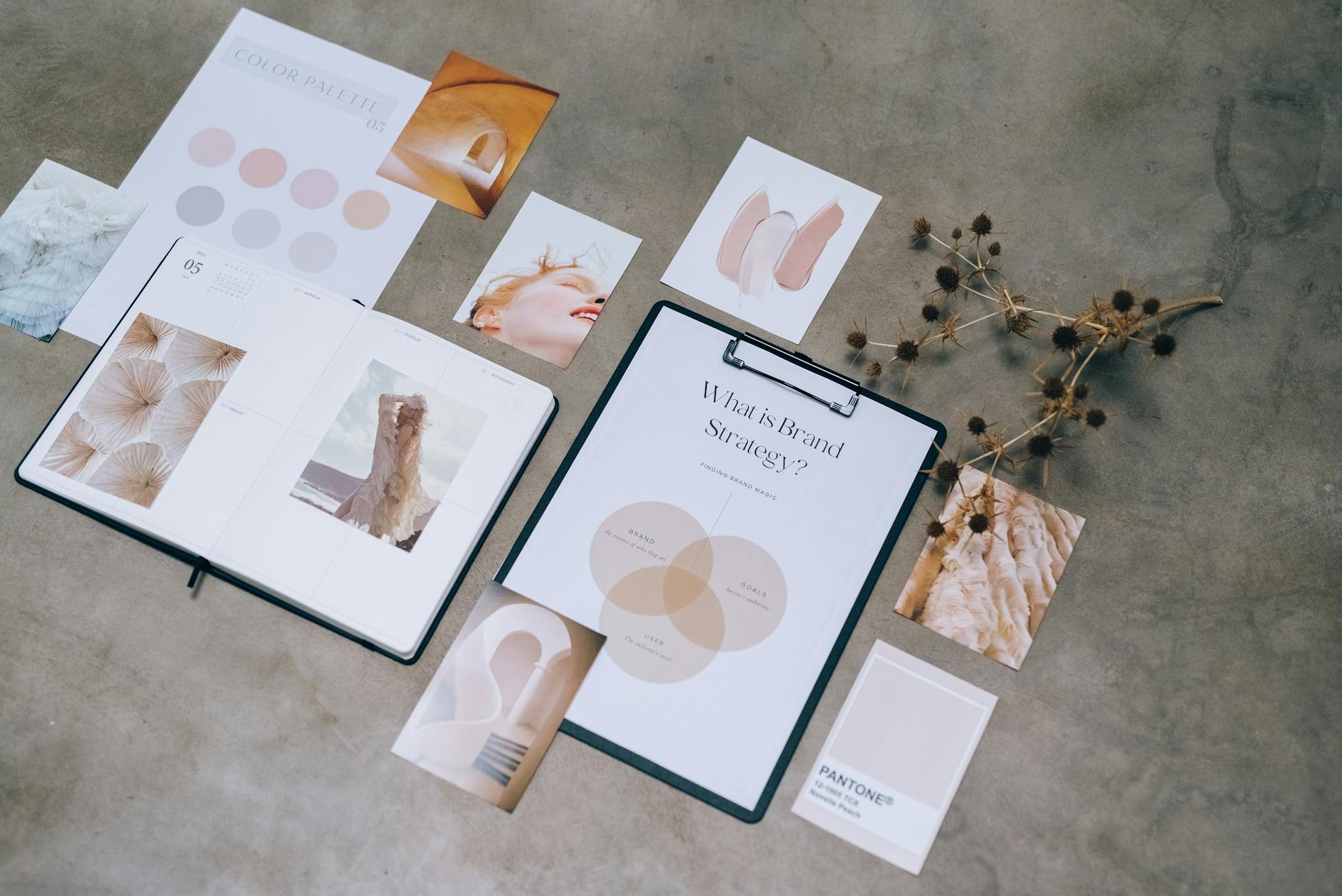
Connecting with Consumers: Sharing Stories During Women’s History Month
Storytelling is a super powerful way to connect with people, especially during Women’s History Month. It gives brands a chance to really bond with their audience in a meaningful way. By sharing genuine and inspiring stories about women’s achievements, challenges, and resilience, brands can engage with consumers on a deeper level, building empathy and understanding. These stories not only shine a light on the amazing contributions women have made in various fields but also highlight the hurdles they’ve overcome and the strength they’ve shown. By doing so, this helps brands come across as more relatable and memorable.
People naturally gravitate towards stories that resonate with their own experiences and values, creating an emotional connection. Plus, storytelling is a fantastic way to celebrate the unique journeys of women from all walks of life, showcasing their diverse perspectives and inspiring others to chase their dreams. By weaving these stories into their marketing, brands can boost their reputation and join a bigger conversation about gender equality and empowerment, leaving a lasting impression on their audience.
Moreover, using a mix of platforms like social media, blogs, videos, podcasts, webinars, and even live events can really help spread the word and get people talking. By tapping into these different channels, brands can start a lively and engaging conversation about women’s issues that not only grabs attention but also invites everyone to join in and share their thoughts. This way, the chat continues well beyond March, keeping the momentum going all year round.

Evaluating Your Women’s History Month Campaigns’ Success
To really get a good sense of how well Women’s History Month campaigns are doing, brands should set up a clear and friendly way to measure success. This means looking at different things like how much people are engaging with the campaign, what they think and feel about it, and how it affects sales before, during, and after the campaign. By checking out engagement rates, brands can see how much their audience is interacting with the campaign, whether it’s through likes, shares, comments, or other ways of joining in. Looking at consumer sentiment digs a bit deeper, helping brands understand if people are feeling good or not so good about the campaign.
Sales data gives a clear picture of how the campaign is influencing buying habits, showing if it’s boosting sales or building brand loyalty. Plus, asking for feedback through surveys can give some great insight into how the campaign is hitting home with people, showing if it’s meeting its goals. These surveys can ask about the campaign’s message, how it connects with the audience, and how it affects their view of the brand. By mixing these numbers and personal insights, brands can get a full picture of how their campaign is doing and find ways to make future ones even better.
Also, taking a good look at how Women’s History Month efforts impact brand perception and customer loyalty over the long haul is super important. This helps make sure these initiatives aren’t just quick gestures but really show a lasting commitment to gender equality and representation. It’s all about seeing how these efforts shape the way people think about the brand over time and checking if the brand is truly seen as a champion for women’s rights and empowerment. By keeping an eye on customer loyalty, brands can find out if their campaigns are really connecting with their audience, leading to repeat business and positive chatter.
Along with this, this kind of evaluation can point out areas to tweak, making sure future efforts keep hitting the mark with consumers and stay true to the brand’s core values. By consistently focusing on gender equality and representation, brands can build a reputation as leaders in social responsibility, strengthening their market position and nurturing a loyal customer base that appreciates ethical and inclusive practices.
Wrapping It Up
In conclusion, Women’s History Month campaigns give brands a fantastic chance to not only celebrate the amazing achievements and contributions of women but also to boost their brand image and build customer loyalty. By genuinely embracing themes of empowerment and equality, companies can connect more deeply with their audience, showing they care about values that many people cherish.
When these campaigns are thoughtfully done, they can increase brand love and trust, as customers are more likely to support businesses that match their personal beliefs and stand for social progress. As we move forward, brands need to keep evolving their strategies, making sure their efforts are genuine and impactful, and ultimately helping to create a more inclusive and fair society. When we do that, brands create a more inclusive and authentic image along with long-term loyal customers.
Note: If you enjoyed what you read today, please be sure to like, share, and/or comment below. Please also consider subscribing to this blog to receive alerts on new posts in the future.
 Psyched About Marketing
Leave a comment